

Could Your California Condo Become Harder to Finance in 2027?
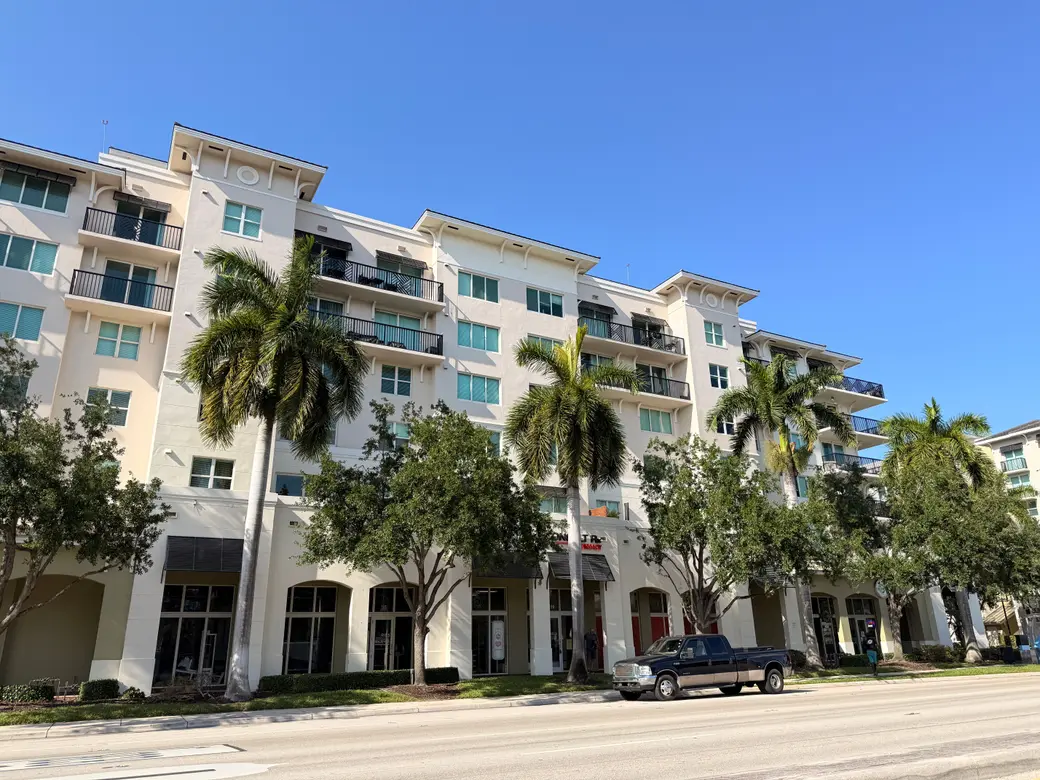
If you own a condo — or you're considering buying one — there are important changes happening in conventional condo lending that deserve your attention.
Fannie Mae has tightened the standards lenders use to evaluate condominium projects, including greater scrutiny of HOA reserves, reserve studies, deferred maintenance, insurance, special assessments and the overall financial health of the association.
Some of these changes are already in effect. Another significant change takes effect for certain loan applications beginning January 4, 2027.
And this isn't only a mortgage issue. Depending on an association's circumstances, the changes could potentially affect HOA dues, the number of buyers able to finance a unit and ultimately a condo's marketability and resale value.
What Does “Warrantable” Mean?
This is a term condo buyers and owners may start hearing more frequently.
A warrantable condo generally refers to a condominium project that meets the applicable requirements for a mortgage to be eligible for purchase by Fannie Mae or Freddie Mac.
Here's the important part: when someone obtains a conventional mortgage to buy a condo, the lender isn't evaluating only the borrower and the individual unit.
The lender may also have to evaluate the condominium project itself.
That means a financially qualified buyer can potentially encounter a financing problem because of something involving the HOA or the larger development.
Issues involving inadequate insurance, critical repairs or significant deferred maintenance, litigation and other project characteristics can affect a project's eligibility for conventional financing.
What's Changing With Condo Financing?
One major change already occurred on August 3, 2026, when Fannie Mae retired its previous “Limited Review” process for applicable new loan applications.
Established condo projects that previously qualified for Limited Review generally must now go through a Full Review, unless they qualify for a Waiver of Project Review or another applicable review pathway.
That means the financial and physical condition of the condominium project can receive considerably more attention during the lending process.
Why HOA Reserves Are Becoming Even More Important
One of the biggest upcoming changes involves the money an HOA sets aside for future capital expenses.
Think roofs, siding, paving, elevators, plumbing systems and other major components that eventually need repair or replacement.
For loan applications dated on or after January 4, 2027, Fannie Mae is increasing the minimum replacement-reserve allocation used in its Full Review process from 10% to 15% of annual budgeted assessment income.
There is an important nuance: an association may be able to demonstrate adequate reserves through a qualifying reserve study instead. When that option is used, lenders must verify that the HOA's budget funds the reserve study's highest recommended allocation amount. Fannie Mae also no longer permits the “baseline funding” methodology for this purpose.
For some well-funded associations, this may not create a significant problem.
For an underfunded HOA, however, getting reserves into a stronger position could eventually mean higher dues, budget changes or other financial adjustments.
Could This Affect Condo Values?
Potentially — although it's important not to overstate the effect.
Imagine two otherwise comparable condos. One is located in a project that readily qualifies for conventional financing. The other is in a project that doesn't meet Fannie Mae or Freddie Mac requirements.
The second condo hasn't suddenly become worthless or impossible to sell.
But if fewer buyers can use conventional mortgages to purchase it, the potential buyer pool may be smaller. A smaller financing pool can affect marketability and, depending on the market and the property, could place pressure on resale value.
That's why I believe condo-project eligibility should become a much more important part of the conversation for both buyers and existing owners.
Non-Warrantable Does NOT Mean Unfinanceable
This may be the most important distinction in this entire discussion. If a condo project doesn't qualify for conventional Fannie Mae or Freddie Mac financing, it does not automatically mean the buyer has to pay cash.
Portfolio lenders and non-QM lenders can offer financing for certain non-warrantable condominium projects.
Rates, down-payment requirements, underwriting standards and other terms may differ from conventional financing. And lenders may view different reasons for non-warrantability very differently.
So discovering that a project is non-warrantable shouldn't necessarily end the conversation.
A better next question is:
Why is the project non-warrantable, and what financing options are available for that particular situation?
Why a Condo Project Might Have Financing Problems
Reserve funding is only one piece of the puzzle. Fannie Mae identifies several project characteristics that can cause eligibility problems, including:
- Critical repairs or significant deferred maintenance
- Inadequate master property insurance
- Certain significant pending litigation
- Other project characteristics that don't meet conventional lending requirements
Fannie Mae has reported that insufficient master property insurance and critical repair issues are among the leading reasons projects receive an ineligible status.
This is another reason buyers shouldn't assume that simply knowing the amount of the monthly HOA dues tells them whether an association is financially healthy.
What Should You Look At Before Buying a Condo?
Buying a condo requires looking beyond the countertops, floor plan, view and monthly HOA payment.
You're also buying into the financial health and management decisions of the association.
Depending on the property and transaction, some of the information I want my buyers to understand or investigate includes:
- The HOA's current budget
- Current reserve balances and contributions
- The most recent reserve study, if available
- Upcoming major repairs or replacement projects
- Deferred maintenance
- Current or proposed special assessments
- Master insurance coverage
- Pending litigation
- Assessment delinquencies
- Whether the project meets applicable conventional lending requirements
A low HOA payment can look attractive, but it isn't necessarily a bargain if the association has postponed maintenance or significantly underfunded future expenses.
Conversely, a well-managed association with healthy reserves may become an increasingly important selling point.
Already Own a Condo? Ask Questions Before You Sell
Current condo owners don't need to wait until they're in escrow to find out whether their HOA could create financing challenges for a future buyer.
Ask your HOA or management company about its most recent reserve study, current reserve contributions, upcoming capital projects and any significant maintenance or insurance issues.
It can also be worthwhile to ask whether the board and management company are familiar with the evolving Fannie Mae and Freddie Mac condo-project requirements and whether they anticipate any changes to the association's budget or reserve funding.
Finding out that there's a financing issue after accepting an offer is far less desirable than understanding it ahead of time.
The Bigger Lesson for Condo Buyers and Owners
None of this means condos are suddenly bad investments. It also doesn't mean every condo that falls outside conventional lending guidelines is impossible to finance.
It means that buyers — and the real estate professionals advising them — need to ask better questions.
When you purchase a condo, you're not simply buying the unit. You're buying into the financial health, maintenance decisions and management of an entire association.
Understanding that association before you buy can be just as important as inspecting the property itself.
Considering Buying or Selling a Condo?
If you're considering a condo in Sonoma or Marin County, I can help you evaluate the property, review the HOA information available during the transaction and identify questions worth investigating before they become surprises.
Jory Bergman Killian | REALTOR®
Epique Realty | DRE #02283148
Wine Country to Waterfront
This article is provided for general educational purposes and is not legal, financial or lending advice. Condo-project and mortgage eligibility requirements vary by loan program, lender, property and borrower and may change over time. Buyers and owners should consult qualified lending, legal, insurance and HOA professionals regarding their specific circumstances.
Categories
Recent Posts






GET MORE INFORMATION